Most people think of travel as a vacation — something you do once or twice a year when work allows. But for millions of people, travel is something more: a hobby. Like reading, gardening, or photography, it is an activity you return to again and again, not because you have to, but because you enjoy it. This guide explains what a travel hobby really is, shares practical travel hobby ideas, and shows you how to start — even if you have a small budget, limited time off, or no idea where to begin.
You do not need a full passport or a year of savings to call travel your hobby. A day trip to a nearby town counts just as much as a flight to another continent. What matters is that you do it regularly, for the joy of it, and that you keep learning from each trip. One small note on spelling: this article uses the American spelling “traveling,” while the British spelling “travelling” means exactly the same thing.
Quick Answer
Yes, travel is a hobby when you do it regularly in your free time for enjoyment — even local day trips count. Start small with a nearby trip, set a travel budget, and build skills like packing light.
Quick-Guide Table
| Trip type | Best places or options | When to go |
| Day trip | Nearby towns, state parks, local walks | Any weekend, year-round |
| City break | One city, 2–4 days, single base | Spring and autumn for mild weather |
| Road trip | Scenic routes, small towns along the way | Spring and summer for long days |
| Food travel | Cooking workshops, food markets, street food | Year-round; check local food seasons |
| Nature and hiking | National parks, coastal trails, mountains | Spring and autumn for hiking |
| Train journey | Long-distance and sleeper trains | Year-round; book early for best fares |
Helpful List — Start Travel As A Hobby In 90 Days
- Month 1: Take one local day trip, 15–60 miles from home, with one activity and one meal planned.
- Month 2: Practice one planning skill — transit, light packing, map reading, or comparing cancellation policies.
- Month 3: Plan one overnight regional trip you can pay for without debt.
- After that, set a travel goal: a new place every few months, or a new culture each year.
Is Travelling A Hobby?
A hobby is an activity you choose in your free time because the process itself is rewarding. You do it regularly, for enjoyment, and not because someone told you to. Travel fits that description when you enjoy researching places, building routes, learning local history, and exploring unfamiliar streets — not just escaping from work for a few days.
The key word is choice. You choose the trip, the place, and the pace. That is what separates a travel hobby from business travel. Someone who flies every week for work may not consider travel enjoyable at all, while someone who plans four thoughtful day trips a year can absolutely call travel their hobby. Frequency and scale do not decide it. What decides it is whether you keep coming back to it, and whether the planning, the journey, and the memories afterward all feel rewarding.
Why Travel Makes Such A Good Hobby
Travel builds skills that most hobbies never touch. Every trip asks you to solve small problems: a delayed flight, a street sign in another language, a bus route you misread. Over time, those moments add up to real confidence. You learn to adapt, to ask for help, and to trust your own judgment in unfamiliar places.
It also widens your view of the world. Meeting people from different backgrounds, seeing how others live, and tasting food you have never tried before changes how you think about your own life. You come home with a deeper sense of empathy and a clearer idea of what you value.
Travel gives you a genuine break from routine. A change of scenery, a slower pace, and a few days away from daily pressure can leave you feeling refreshed in a way that a weekend at home often cannot. And it sparks creativity. New streets, new sounds, and new faces give writers, photographers, and everyday dreamers fresh material. Finally, travel strengthens relationships. Shared adventures with family or friends — getting lost together, laughing over a wrong turn — create memories that last far longer than any souvenir.
Travel Hobby Ideas To Try
If you are not sure what kind of travel hobby fits you, start by trying a few different styles. Here is a list to choose from:
- Road trips. Pick a route, pack the car, and stop wherever looks interesting. Road trips are flexible, affordable, and easy to plan with friends or family.
- Train journeys. Long-distance and sleeper trains show you the country between the cities at a pace a plane skips. The ride itself is part of the experience.
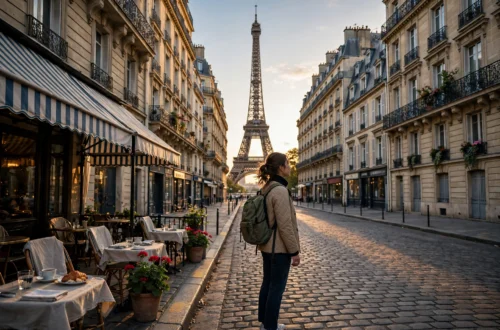
- City breaks. Two to four days in one city, with a single place to stay. This is the easiest trip to plan and the usual first one, since everything you want is a walk or a subway ride apart.
- Food travel. Build a trip around local dishes, food markets, and street food. A food-focused trip gives every day a clear purpose.
- Hiking and nature trips. Day hikes, national parks, and coastal walks. Nature trips are low cost and easy to repeat close to home.
- Wildlife watching. Birdwatching, whale watching, or a safari. These trips reward patience and observation.
- Historic sites. Castles, old towns, battlefields, and ancient ruins. If you love history, this kind of travel turns every trip into a lesson.
- Museum weekends. Pick a city with great museums and spend a weekend moving slowly through them. Many museums are free or cheap, which makes this a budget-friendly hobby.
Try one or two of these and notice which one you keep thinking about afterward. That is your travel hobby.
Portable Hobbies You Can Take On Any Trip
Some hobbies travel with you. They fit in a bag, cost almost nothing, and turn waiting time — train rides, flight delays, slow mornings — into something enjoyable.
Intentional photography is the most popular one. Instead of taking hundreds of identical phone photos, slow down and study the light, the framing, and the small street details. A compact mirrorless camera or a traditional film camera forces you to look more carefully, but your phone works too. The point is attention, not gear.
Travel journaling and sketching is another. A small notebook and a pen are enough. Write down what you saw, what you ate, and what surprised you. If you like drawing, a pocket-sized watercolor kit lets you capture a scene in a few minutes. Journaling slows you down and makes you notice colors, sounds, and details you would otherwise walk past.
Photo editing rituals turn raw snapshots into a story. Spend a quiet evening sorting your day’s photos, choosing the best ones, and applying a consistent style. By the end of a trip, you have a small visual record that feels like something you made, not just something you collected.
Cardistry and sleight of hand is a surprising favorite among travelers. All you need is a standard deck of cards, and you can practice anywhere — on a train, in a cafe, or while waiting at an airport. It is a small, social hobby that often starts conversations with strangers.
Reading and language practice are portable too. A book set in the place you are visiting adds depth to every street you walk, and learning a few local phrases turns ordering food or asking directions into a small daily win.
Cooking Hobbies That Travel With You
Food is one of the easiest hobbies to build a trip around, and it is also one of the few that keeps going after you come home.
Local cooking workshops are the best place to start. Learning to make paella in Spain or an authentic curry in Southeast Asia teaches you real skills you can use in your own kitchen. A good class usually includes a market visit, where you learn about local ingredients, and a shared meal at the end. When choosing a class, read recent reviews, check the group size, and confirm what is included — some classes provide everything, while others expect you to bring your own apron or buy ingredients.
Food markets are worth a visit on their own. Walk through one slowly, taste what is offered, and ask vendors what is in season. You will learn more about a place from its market than from any guidebook. And when you get home, try cooking what you learned. The hobby continues in your own kitchen, and every time you make that dish, you remember the trip.
Social Hobbies That Help You Meet People While Travelling
Travel can feel lonely, especially on a solo trip. The fix is to build social activities into your plans. Cooking classes, language practice sessions, and group walking tours all put you next to people who share your interests. You do not need to make lifelong friends on every trip — sometimes one good conversation over lunch is enough.
Adventure and nature sports are naturally social. Trail running, scuba diving, bouldering, and group hikes all come with built-in communities. You show up, you do the activity together, and conversation follows. Group hikes and travel communities — online forums, local meetups, and small-group tours — are good places to find people who travel the same way you do.
A growing trend in tourism is the idea of “hobbydays” — trips designed to combine leisure travel with actively practicing a skill or hobby. Instead of returning from a vacation feeling like you only watched a city go by, you spend part of each day doing something hands-on: a pottery class, a cooking workshop, a photography walk. The idea is simple, and it works because doing something makes the memory stick far longer than just looking at it.
How To Start Travel As A Hobby
You do not need to declare that you will visit thirty countries. Give yourself three months to learn which part of travel you actually enjoy. This simple 90-day experiment works well:
- Month 1: Take one local day trip. Choose somewhere 15 to 60 miles from home that you have never explored properly. Plan one main activity, one meal, and one flexible hour. Then travel without trying to prove the day was “worth it” through a packed checklist. Write down the real cost, from door to door, including transport, parking, admission, and food.
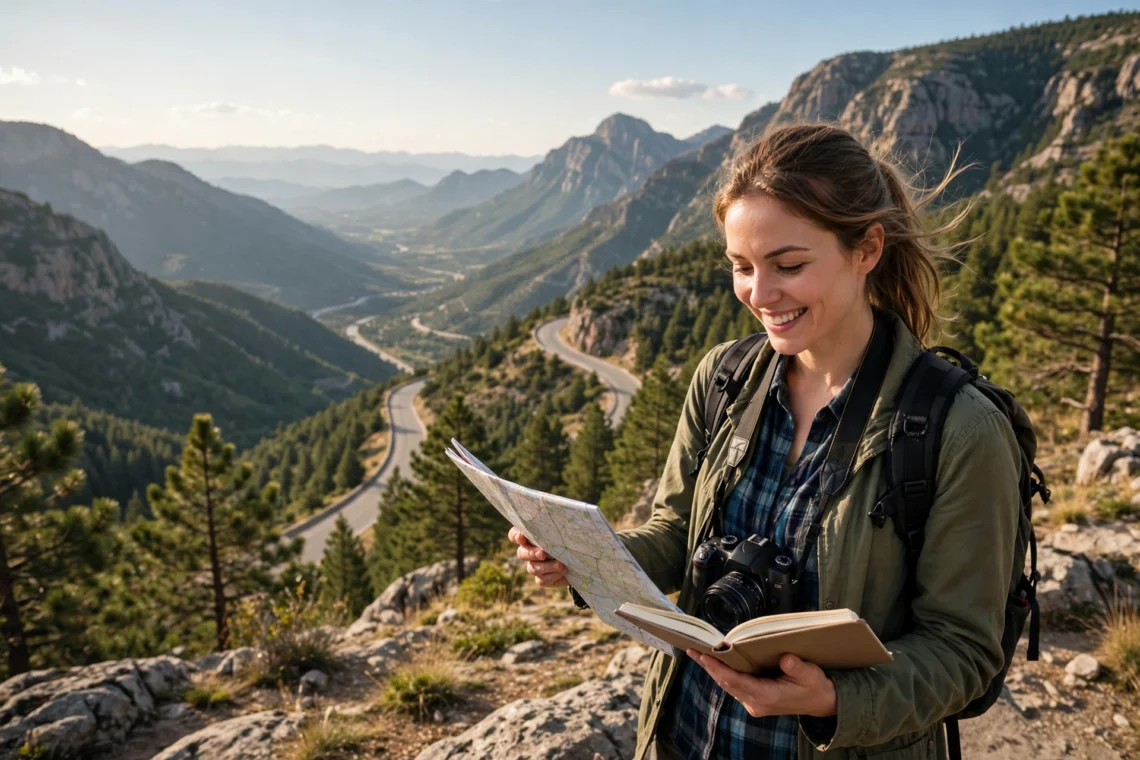
- Month 2: Add one planning skill. Take a second trip and deliberately practice one skill, such as using regional transit, packing a lighter day bag, reading a trail map, comparing lodging cancellation policies, or photographing in difficult light.
- Month 3: Plan one overnight trip. Choose a regional overnight trip whose total price you can pay without debt. Compare transport, lodging location, meals, admission, and a small contingency amount before you book.
After three months, you will know what you enjoy, what kind of planning feels energizing, and what your real costs look like. Then set a few travel goals, the way you would with any hobby. Aim to visit a new place every few months, or experience a different culture once a year. Goals give the hobby shape, and they make it easier to say yes to the next trip.
How To Budget For A Travel Hobby
A hobby becomes sustainable when its ordinary version fits your cash flow. The trick is to set an annual amount first, then divide it — rather than spending the whole fund on one impulse booking.
Start by opening a dedicated travel fund and adding a small amount to it every month, even if it is modest. Then split the annual amount into tiers: free walks and public spaces with a packed lunch; day trips with fuel, transit, admission, and one planned meal; one- or two-night regional trips during a lower-demand period; and one major trip, funded gradually and booked with sensible cancellation terms.
As a rough guide, different travel styles cost very different amounts. Backpacking usually runs about $30 to $50 a day, covering basic accommodation, food, and transport. Mid-range travel is roughly $100 to $200 a day, with decent hotels, restaurants, and activities. Luxury travelstarts around $300 a day and goes up from there. These are ranges, not fixed prices — your destination, season, and travel style change them a lot.
Off-peak travel, budget airlines, and flexible dates can cut costs significantly. Travelling during quieter seasons also means fewer crowds and a calmer experience. And track the total cost per travel day, not only the airfare or the hotel price. The real cost of a trip is everything from the moment you leave your door to the moment you return.
Skills That Make Travel Easier Over Time
Travel gets easier the more you do it, because you build a small set of skills that work on every trip.
Packing light is the first one. Build outfits from pieces that all go together, plan to do laundry once on any trip over a week, and wear your bulkiest shoes and jacket on travel days. A lighter bag means less stress at every step.
Pacing an itinerary is the second. Count every travel day as half a day lost, and give any city at least two nights. Fewer stops, seen properly, always beat a long list of places you rushed through.
Flexible booking is the third. Always check the cancellation terms before you book, and choose options you can change if your plans shift. And use fare alerts and off-peak dates to keep costs down. After each trip, take five minutes to note what worked and what did not. That short note is what turns a one-off trip into a hobby that keeps improving.
Common Mistakes To Avoid
- Overpacking. Hauling a heavy bag over curbs and up stairs is the most common regret, and nearly anything you forget can be bought where you are going.
- Scheduling every hour. A city a day and a booking every two hours leaves no room to linger anywhere you turn out to like.
- Planning too big, too soon. Declaring that you will visit thirty countries in your first year sets you up for disappointment. Start small and grow.
- Thinking travel is only for the wealthy. Budget travel, hostels, campgrounds, inexpensive airlines, and off-season trips make travel accessible to many income levels. It does not need to be expensive to count as a hobby.
- Not tracking the total cost. Looking only at the flight or the hotel price hides the real cost. Add up transport, food, admission, and everything in between, so your next trip’s budget is honest.
Staying Safe While Travelling As A Hobby
Safety is part of the hobby, not an afterthought. Share your itinerary and hotel address with a trusted contact before you go, and check in with them during the trip. For international travel, check the destination’s entry requirements and official travel advice before you book, and confirm your passport is valid for the trip. Understand the basics of travel insurance — what it covers, and what it does not — before you need it.
If you travel alone, keep a few simple habits. Stay in well-lit, busy areas after dark. Download offline maps and carry a power bank so your phone never dies at the wrong moment. Keep your valuables out of sight and your documents safe.
One honest note: travel is not a treatment for anxiety or depression. It can be stressful, expensive, and overwhelming at times, and it cannot replace professional help. If you are struggling, talk to a qualified professional first. Travel is at its best when it is a joy, not an escape from something that needs real support.
Turning Your Travel Hobby Into Something More
Once travel becomes a regular part of your life, you may want to do more with it. Keeping a travel journal or starting a blog turns your experiences into a creative outlet. You are not just collecting trips — you are building a record of what you saw and what it meant to you. Photography works the same way. Sorting your photos into themes and stories gives you something to look back on and share.
Sharing your experiences with others is part of the hobby too. Join travel forums, attend local events, or share tips with friends who are planning their first trip. Helping someone else start their own travel hobby is one of the most satisfying parts of having one yourself.
Some people do earn money from travel content, through blogs, photography, or social media. But income is never automatic, and it should not be the reason you start. A hobby is something you do because you enjoy it. If it grows into something more, that is a bonus — not the goal.
Conclusion
Travel is a hobby that can start anywhere — a day trip to a nearby town, a weekend in a new city, or a train ride to a place you have never seen. You do not need a big budget, a full passport, or a year off work. You need curiosity, a little planning, and the willingness to try.
Start with the 90-day experiment: one local day trip, one new planning skill, and one overnight trip. Set a budget that fits your life, pack light, and learn from each trip. Over time, travel stops being something you do once in a while and becomes a regular part of who you are — a hobby that keeps giving you new places, new people, and new stories.
FAQ’s:
Is Traveling A Hobby?
Yes. Traveling is a hobby when you do it regularly in your free time for enjoyment, not for work. Local day trips, weekend getaways, and international trips all count — frequency and distance do not decide it.
How Much Does Travel Cost As A Hobby?
It depends on your style. Backpacking runs about $30 to $50 a day, mid-range travel about $100 to $200 a day, and luxury from $300 a day. Local day trips can cost very little.
Can I Travel As A Hobby With A Small Budget?
Yes. Start with local day trips, free walks, and off-peak travel. Hostels, campgrounds, and budget airlines keep costs low, and a dedicated travel fund lets you save a little each month.
Do I Need To Travel Abroad For Travel To Count As A Hobby?
No. A day trip to a nearby town, a weekend in a new city, or a hike in a local park all count. What matters is doing it regularly for enjoyment, not how far you go.
What Is The Best Travel Hobby For Beginners?
City breaks are the easiest start — two to four days in one city, with one place to stay. Road trips and local day trips are also simple, affordable ways to begin.
Disclaimer
The content is for general information only. Travel conditions, prices, entry requirements, and opening times can change, so please check official travel advice and official sources before you travel.Travel3Ways is an independent travel information website and is not affiliated with any tourism board, airline, hotel, or booking service.Travel3Ways was created only to provide helpful information to visitors and does not engage in paid promotions or advertising.