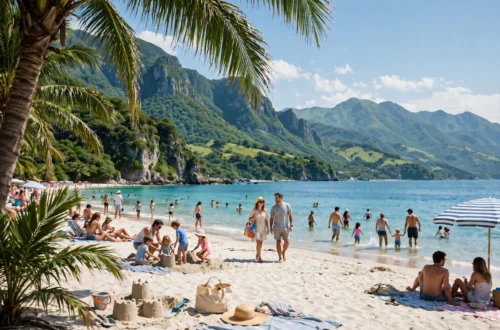
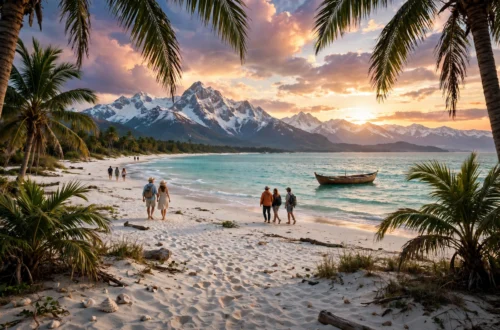
Some trips are about seeing famous sights. Others are about going somewhere that feels completely different from everyday life. That is what exotic travel destinations offer. They are not always far away, and they are not always expensive. What makes them exotic is the feeling they give you: a landscape you have never seen before, a culture that works in a different way, or wildlife that lives nowhere else on Earth.
This guide is for travelers who want to move beyond the usual tourist route. You will find the most interesting exotic destinations around the world, what makes each one special, when to go, what a trip might cost, and how to plan it safely. By the end, you should be able to choose one destination that fits your interests, your budget, and the time you have.
Quick Answer
Exotic travel destinations are remote islands, ancient cultures, and wild places that feel very different from everyday life, such as Bora Bora, Bhutan, Madagascar, and Palawan, offering beaches, history, wildlife, and adventure for travelers seeking something unusual.
Quick-Guide Table
| Trip type | Best places or options | When to go |
| Tropical islands | Bora Bora, Palawan, Raja Ampat | Dry season, roughly November to May |
| Culture and history | Bhutan, Machu Picchu, Morocco | Spring and autumn |
| Wildlife and nature | Madagascar, Galápagos Islands, Namibia | Dry season, roughly April to October |
| Desert and road trips | Namibia, Utah canyons | Cooler months, spring and autumn |
| First exotic trip | Hawaii, Morocco, Palawan | Year-round, with shoulder season often best |
Helpful List: Choose The Right Trip In 5 Steps
- Decide your trip type first — beach, culture, wildlife, or adventure.
- Match it to your budget, time, and comfort with remote travel.
- Check the best season for that specific destination, not just the country.
- Check entry rules, permits, health advice, and official travel advice.
- Book flights, stays, and permits early, and leave space in your plan for slow travel and delays.
What Makes A Destination Truly Exotic?
A place feels exotic when it is clearly different from what you know. That difference can come from four things. The first is landscape. A black-sand beach, a salt flat that looks like a mirror, a desert full of giant dunes, or an island covered in jungle all feel exotic because they do not look like home.
The second is culture. Food, music, festivals, temples, markets, and daily life can make a place feel new even if the landscape is familiar. The third is nature. Some places are home to animals and plants that exist nowhere else, and seeing them in the wild is a rare experience. The fourth is quiet. Exotic places are often less crowded, which gives you space to slow down and notice more.
An exotic destination is not the opposite of a popular one. Paris, Rome, and New York are popular for good reasons, and they can still be wonderful trips. An exotic trip is simply a different kind of trip. It is about discovery rather than ticking off famous sights.
It is also worth saying clearly that exotic does not always mean luxury. Some of the most unusual places in the world are also some of the most affordable. A small guesthouse in Morocco, a family-run homestay in Vietnam, or a simple lodge near a national park can cost far less than a resort in a famous beach town. What you pay for is often the journey to get there, not the luxury once you arrive.
Remote Islands And Coral Reefs Worth The Journey
Some of the most exotic places on Earth are islands, and they reward the extra effort it takes to reach them. Raja Ampat in Indonesia is one of the best examples. It is a large group of jungle-covered islands in the Coral Triangle, an area known for its rich marine life. Divers come here for clear water, colorful coral, and a huge variety of fish. Even if you do not dive, the views from the limestone viewpoints, with small green islands scattered across blue water, are hard to forget. Getting there takes time, usually a flight to Sorong followed by a boat, so it suits travelers who are happy to travel slowly.
Palawan in the Philippines offers a different kind of island trip. The province is known for tall limestone cliffs, emerald water, and hidden lagoons that you can only reach by boat. Most visitors base themselves in El Nido or Coron and take multi-day island-hopping tours. You swim, snorkel, eat fresh seafood on a beach, and sleep in a small town where life moves at a slower pace. Palawan is a good choice if you want tropical beauty without the high prices of some Pacific islands.
Bora Bora in French Polynesia is the classic South Pacific dream. A turquoise lagoon surrounds the island, and the jagged peak of Mount Otemanu rises in the middle. Many visitors stay in overwater bungalows, swim with reef fish, and spend their days doing very little. It is one of the most expensive destinations on this list, but it is also one of the most peaceful. If you are planning a honeymoon or a quiet celebration trip, Bora Bora is hard to beat. For a closer look at the region, our Tahiti travel guide covers the islands nearby, including how island-hopping works in French Polynesia.
These three places suit different travelers. Choose Raja Ampat if diving is your main reason to travel. Choose Palawan if you want island-hopping, beaches, and good value. Choose Bora Bora if you want calm water, comfort, and a true escape.
Ancient Cultures And Mountain Kingdoms
Exotic travel is not only about beaches. Some of the most memorable trips are about stepping into a culture that has kept its traditions alive for centuries.
Bhutan, high in the eastern Himalayas, is one of those places. The country is known for its mountain scenery, Buddhist monasteries, and a way of life that moves more slowly than in most countries. Its most famous sight is Paro Taktsang, also called the Tiger’s Nest Monastery, a temple complex built into a cliff high above the Paro Valley. Reaching it takes a steep walk, but the view and the quiet at the top stay with you. Bhutan suits travelers who want culture, walking, and time to think, rather than a busy sightseeing schedule. Visitor numbers are managed, so plan well in advance and check the current entry rules with an official source.
Machu Picchu in Peru is another place where history and landscape come together. The ancient Incan citadel sits high in the Andes, surrounded by green peaks and often wrapped in morning mist. Most visitors reach it by train from Cusco, then by bus up the mountain, while others walk the Inca Trail over several days. The altitude is real, so take time to rest in Cusco first, drink water, and walk slowly. Book entry tickets and trains early, because numbers are limited and the most popular times sell out.
Morocco offers a different kind of ancient culture, closer to Europe but completely different in feel. In Marrakech, you can walk through a maze of souks, smell spices, and watch craftsmen at work. In Fez, the old medina feels like a city from another century, with narrow lanes, tanneries, and mosques. Beyond the cities, the Atlas Mountains and the Sahara Desert offer a complete change of scenery. Morocco is a good first exotic destination because it is affordable, the food is excellent, and the culture is welcoming, while still feeling very different from home.
In all three places, respectful travel matters. Dress modestly where local custom asks for it, ask before taking photos of people, and learn a few local words. Small efforts like these make a real difference.
Wildlife And Landscapes Found Nowhere Else
Some destinations are exotic because nature made them that way. Madagascar is the best example. The island separated from mainland Africa millions of years ago, and much of its wildlife evolved on its own. Lemurs, chameleons, and many plants are found nowhere else on Earth. The Avenue of the Baobabs at sunset, with its huge ancient trees silhouetted against the sky, is one of the most photographed scenes in Africa. The Tsingy de Bemaraha, a forest of sharp limestone pinnacles, feels like walking on another planet. Madagascar is not an easy trip. Roads are slow, and travel between regions takes time, but for wildlife lovers it is worth it.
The Galápagos Islands in Ecuador offer a different kind of wildlife experience. Here, animals are not afraid of people. Sea lions rest on benches, giant tortoises walk slowly across the grass, and marine iguanas sun themselves on black lava rock. You visit by boat or from a base on one of the main islands, with a licensed guide. The islands are a protected area, so follow the rules, keep your distance from animals, and do not touch or feed them. The Galápagos can be visited at any time of year, though the sea and weather change with the seasons.
Namibia in southern Africa is exotic for its emptiness. The Namib Desert has some of the tallest sand dunes in the world, glowing red in the morning light. Etosha National Park is one of the best places in Africa to see elephants, lions, and rhinos around waterholes. A road trip through Namibia gives you long empty roads, huge skies, and a feeling of space that is hard to find elsewhere. It suits travelers who like driving, photography, and quiet places.
Socotra Island in Yemen is also famous for its strange plants, including the dragon’s blood tree, and for white sand dunes and untouched lagoons. It appears on many exotic lists, but it is not a simple holiday destination. Check official travel advice for Yemen and Socotra before considering it, and do not plan a trip there without a clear, current understanding of safety and access.
For wildlife trips, a good guide matters more than a good camera. Local guides know where animals are, how to watch them safely, and how to leave nature as you found it.
Best Unknown Vacation Spots In The Us
You do not always need a passport to feel like you are somewhere exotic. The United States has places that feel remote, strange, and beautiful, but are far less known than the famous national parks.
Hawaii is the most obvious example, but beyond Waikiki there are quieter sides to the islands. On the Big Island, you can walk across black lava fields, watch the sun set from a volcano, and swim in a bay that feels a world away from the resorts. On Kauai, the Napali Coast and Waimea Canyon offer green cliffs and deep valleys that look almost unreal. Our Hawaii travel guide covers how to move between islands, because flights are the main way to travel here.
Utah’s canyon country is another hidden gem. Bryce Canyon, with its tall orange rock spires, looks different at every hour of the day. Zion’s narrow slot canyons and high viewpoints reward early starts. These parks are less crowded in spring and autumn, when the light is softer and the temperatures are easier for hiking.
Florida also has quieter corners. Away from the theme parks, you can kayak through natural springs with clear blue water, walk on white sand beaches on the Gulf Coast, and visit small island towns where life moves slowly. These places are good for a short trip, when you want an exotic feel without a long international flight.
What makes these spots “unknown” is not that no one has heard of them, but that they get far less attention than the famous names. That is often where the best experiences are.
When Is The Best Time To Visit Exotic Destinations?
There is no single best time to visit every exotic destination. The right time depends on the type of place you choose.
Tropical islands are usually best in their dry season, when the sea is calm and the rain is light. For many Pacific and Southeast Asian islands, that is roughly from November to May, though the exact months vary. Deserts are best in the cooler months, when daytime heat is manageable and nights are clear. Mountains are best in spring and autumn, when trails are open and the weather is stable. Wildlife trips depend on the animals: some seasons are better for seeing babies, others for migration or for dry, open landscapes.
Shoulder season, the weeks just before or after the peak season, is often the smartest choice. Prices are lower, crowds are thinner, and the weather is still good. For example, visiting a tropical island in May or September can mean cheaper stays and quieter beaches, while visiting a European island in April or late October can mean the same views without the summer crowds.
Always check the season for your specific destination, not just for the country. A large country like Indonesia or the United States can have very different weather in different regions at the same time. Use official weather and tourism sources, and read recent traveler reports, before you decide.
How Much Does An Exotic Trip Cost?
Exotic trips can cost very different amounts, and that is part of the point. A week in Palawan or Morocco can cost far less than a week in Bora Bora or the Galápagos, even though all four are exotic.
Costs usually fall into three rough groups. Budget trips, roughly $1,000 to $2,000 per person for a week excluding international flights, are possible in places like Vietnam, the Philippines, Morocco, and parts of Central America. You stay in guesthouses, eat local food, and use public transport. Mid-range trips, roughly $2,000 to $5,000 per person for a week excluding international flights, cover comfortable hotels, guided tours, and some special activities. Luxury trips, $5,000 and up per person for a week excluding international flights, include overwater villas, private guides, and remote lodges.
The biggest costs are usually flights, especially to remote islands, and special permits or tours. In Bhutan, for example, the daily fee covers much of your stay, so the price is higher but more is included. In the Galápagos, park fees and boat trips add up. In Machu Picchu, trains and entry tickets are a major part of the budget.
You can save money in a few reliable ways. Travel in shoulder season, book flights early, and compare a few options before you commit. Stay in locally owned guesthouses instead of international resorts, eat where locals eat, and choose one or two special activities instead of trying to do everything. These choices do not make the trip worse. They often make it better.
How To Plan An Exotic Trip Step By Step
Planning an exotic trip is easier when you take it one step at a time.
First, choose your trip type. Do you want beaches, culture, wildlife, or adventure? Your answer will narrow the list quickly.
Second, choose one destination that matches that type, your budget, and the time you have. Do not try to visit three countries in one week if the journey between them takes a full day each time.
Third, check the season and the practical details. Look at the best months to go, the flights that serve the destination, and how you will travel once you arrive. Some islands have only a few flights a week, and some remote places need a boat or a small plane.
Fourth, check entry rules, health, and insurance. Visa and passport rules change, so check with an official government source, not just a blog. Ask your doctor about any health advice for the region, and make sure your travel insurance covers the activities you plan to do.
Fifth, book the things that sell out first. That is usually flights, the main hotel or lodge, and any permits or guided tours. Then fill in the rest: local transport, restaurants, and day trips.
Finally, leave space in your plan. Exotic trips often involve slow travel, weather changes, and unexpected delays. A day with nothing planned is not wasted time. It is often the day you remember most.
Safety Checks Before You Book
Exotic destinations are often remote, and that is part of their appeal. It also means you need to plan safety more carefully than you would for a city break.
Start with official travel advice from your own government. It will tell you if there are areas to avoid, if there are current warnings, and what to do in an emergency. This is especially important for places with changing conditions, including Socotra and parts of some other regions on this list.
Check local rules and permits. Some places limit visitor numbers, require a guide, or close certain areas during breeding seasons or religious festivals. Respect those rules. They exist to protect both people and nature.
Think about health and nature. Altitude can affect you in the Andes and the Himalayas. Heat can affect you in deserts. Strong currents can affect you on island beaches. Learn the basic risks for your destination, carry water, wear sun protection, and listen to local guides.
Make a simple safety plan. Share your itinerary with someone at home, keep your phone charged, and know where the nearest hospital or clinic is. Buy travel insurance that covers medical care and, if needed, evacuation from a remote area. Keep a copy of your passport and bookings separate from the originals.
None of this should stop you from travelling. It should help you travel with confidence, knowing you have thought ahead.
Common Mistakes To Avoid On An Exotic Trip
The most common mistake is choosing a destination from photos alone. A place can look perfect in a photo and still be the wrong choice for you if the season is wrong, the journey is too long, or the activities do not match your interests.
The second mistake is booking without checking the season. A beach that is beautiful in the dry season can be rainy and rough in the wet season. A desert that is pleasant in winter can be dangerously hot in summer.
The third mistake is packing too much into a short trip. Remote places take time to reach, and travel between islands or regions can take a full day. If you try to see everything, you will spend most of your trip in transit.
The fourth mistake is forgetting local culture and the environment. Dress as local custom asks, ask before photographing people, and do not touch coral, feed wildlife, or leave rubbish behind. These small actions protect the places you came to see.
The fifth mistake is forgetting the hidden costs. Permits, park fees, boat transfers, and guided tours can add a lot to your budget. Add them to your plan before you book, not after.
Avoiding these mistakes does not require expert knowledge. It requires slowing down, checking the details, and being honest about what kind of trip you want.
How To Choose The Right Exotic Destination For You
The right exotic destination is the one that fits you, not the one that looks best on someone else’s list. Ask yourself four simple questions.
First, what do you most want to do? If you want to relax, choose an island. If you want to learn, choose a cultural destination like Bhutan or Morocco. If you want to see animals, choose Madagascar, the Galápagos, or Namibia.
Second, how much time do you have? A long-haul trip to a remote island needs at least a week. A trip to a closer destination, or to a US spot like Hawaii or Utah, can work in a long weekend.
Third, what is your budget? Be honest about it. A budget trip to Palawan can be just as memorable as a luxury trip to Bora Bora, if it matches what you enjoy.
Fourth, how comfortable are you with remoteness? If this is your first exotic trip, choose a place with good infrastructure, like Morocco, Palawan, or Hawaii. If you have travelled widely and enjoy slow, remote travel, Raja Ampat, Madagascar, or Namibia might be right for you.
If you are still unsure, start with one destination and plan around it. You do not need to see every exotic place in the world. You need to see the one that is right for you now.
Conclusion
Exotic travel destinations are not about how far you go or how much you spend. They are about finding a place that feels different, in a good way. It could be a lagoon in French Polynesia, a monastery in Bhutan, a desert in Namibia, or a quiet canyon in Utah. What matters is that the place matches what you want from your trip.
Choose one destination, check the best time to go, plan your budget in ranges, and do your safety checks with official sources. Leave room in your schedule, respect local culture and nature, and travel at a pace that lets you notice what is around you.
Your next trip does not need to be the most famous one. It needs to be the one you will remember. Start with the place that speaks to you, and plan it well.
FAQ’s:
What Is An Exotic Travel Destination?
An exotic travel destination is a place that feels different from everyday life because of its landscape, culture, or wildlife, such as a remote island, an ancient city, a desert, or a wildlife reserve.
Are Exotic Travel Destinations Always Expensive?
No. Some exotic places, such as Palawan, Morocco, and parts of Southeast Asia, can be affordable, while Bora Bora, the Galápagos, and Bhutan usually cost more. Flights, remote stays, and permits are often the biggest costs.
Which Exotic Destination Is Best For A First Trip?
Morocco, Palawan, and Hawaii are good first exotic trips because they offer unusual landscapes and culture with good transport, stays, and food. They feel different from home without the long, complex journey of a very remote island.
Is Socotra Safe To Visit?
Socotra is known for rare plants and untouched nature, but it is in Yemen, so conditions and access can change. Check official travel advice before planning, and do not travel there without a clear, current safety assessment.
Do I Need A Visa Or A Special Permit For An Exotic Destination?
It depends on the destination and your nationality. Some places need a visa, a park permit, or a licensed guide, while others do not. Always check official government and park sources before booking flights or stays.
Disclaimer
This content is for general information only. Travel conditions, prices, entry requirements, and opening times can change, so please check official travel advice and official sources before you travel. Travel3Ways is an independent travel information website and is not affiliated with any tourism board, airline, hotel, or booking service. Travel3Ways was created only to provide helpful information to visitors and does not engage in paid promotions or advertising.