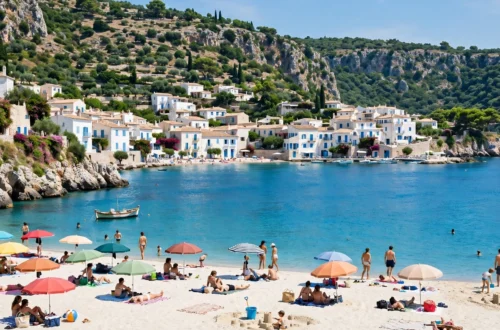
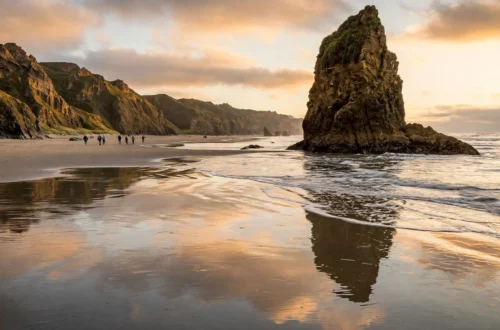
The Bahamas has about 700 islands and cays, and only around 30 of them are inhabited. That is the short answer, and it surprises almost everyone who asks the question. Most people picture the Bahamas as a single island with a beach and a resort, but the reality is very different. It is a whole archipelago — a long chain of islands, cays, and rocks spread across a huge stretch of ocean, with most of its islands empty and only a handful that travelers ever visit.
This guide explains the real count, why the number changes depending on who you ask, how the islands are laid out on the map, and which ones actually matter when you plan a trip. By the end, you will know not just how many islands are in the Bahamas, but how to choose the right one for your visit.
Quick Answer
The Bahamas has about 700 islands and cays, but only around 30 are inhabited. Most people live on New Providence, home to Nassau, while the rest are quiet Out Islands or uninhabited cays.
Quick-Guide Table
| Trip type | Best places or options | When to go |
| First trip | Nassau and New Providence — most flights, hotels, and sights | December to April |
| Beaches and quiet | Eleuthera, Harbour Island, and the Exumas — pink sand and clear water | December to April, or May |
| Boating and fishing | The Abacos and Bimini — sailing, fishing, and island-hopping by boat | December to May |
| Diving and nature | Andros — blue holes, reefs, and wide-open space | December to April |
| Off the beaten path | Cat Island, Long Island, and San Salvador — empty beaches and small towns | December to April, or November |
Helpful List: Before You Go
- Check that your passport is valid and read the official entry rules for your nationality.
- Check the weather forecast and any storm warnings for your travel dates.
- Book domestic flights and ferries in advance, especially in peak season.
- Allow a buffer day when island-hopping, since small flights and boats can be delayed.
- Carry some cash for the Out Islands, where ATMs and card payments are less common.
- Save your hotel’s contact details and local emergency numbers before heading to a remote cay.
The Short Answer: How Many Islands Are In The Bahamas?
The figure you will see almost everywhere is about 700 islands and cays. On top of that, there are more than 2,000 low, barren rock formations, and some sources put the number of cays at around 2,400. Altogether, the land of the Bahamas covers roughly 5,358 square miles (13,878 sq km), but that land is spread across about 100,000 square miles of ocean.
Only about 30 of those islands are inhabited. The other roughly 670 are uninhabited cays, sandbars, and rocks — places with no towns, no roads, and no permanent residents. That split is the key to understanding the Bahamas. The country is not one busy island with 700 neighbors. It is a vast, mostly empty archipelago where a small number of islands hold almost all the people, hotels, and airports, while hundreds of others sit quiet and untouched.
Why The Number Changes Depending On Who You Ask
If you search for this question, you will find slightly different numbers, and there is a good reason for that. The count depends on what you count. An island is a piece of land surrounded by water. A cay — pronounced “key” — is a small, low island made mostly of sand and coral, often barely above sea level. A rock formation may be little more than a lump of limestone poking out of the sea. Some sources count islands and cays together and say about 700. Others say 700 islands plus 2,400 cays. Both are describing the same place; they are just using different definitions.
The inhabited count varies the same way. About 30 is the figure most sources use, but some official sources say 29 islands have significant population and economic activity. The difference comes down to what counts as “inhabited” — a full community, or just a handful of people. This article uses “about” and “nearly” on purpose. There is no single exact count that everyone agrees on, and any source that gives one without explaining the definitions is oversimplifying.
The Bahamas On The Map: How The Archipelago Is Laid Out
The Bahamas sits in the Atlantic Ocean, about 50 miles off the coast of Florida, and stretches around 500 miles south-east toward Cuba. It is not a compact cluster of islands. It is a long, loose chain, with wide stretches of shallow, clear water between the islands. That shallow water is what gives the Bahamas its famous turquoise color, and it is also why so many of the islands are low and flat — they are built on coral limestone banks, not on volcanic mountains.
To make sense of the map, the official tourism authority groups the islands into 16 main destinations. That grouping is helpful for travelers, because it turns 700 islands into a manageable list of places you can actually visit. On the map, Nassau and New Providence sit near the center of the chain. Grand Bahama is in the north-west, closest to Florida. The Exumas and Eleuthera run down the middle. Andros, the largest island, lies to the west. Inagua sits in the far south-east, close to Cuba. Once you see that layout, the Bahamas stops looking like a single dot on the map and starts looking like what it is: a country spread across the sea.
How Many Islands In The Bahamas Are Inhabited?
About 30 islands are inhabited, and the population is very unevenly spread. Around two-thirds of Bahamians live on New Providence, the small island that holds the capital, Nassau. Grand Bahama, home to the city of Freeport, is the second main population center. Together, New Providence and Grand Bahama hold most of the country’s roughly 400,000 people.
The other inhabited islands are known as the Out Islands, or the Family Islands. These are smaller, quieter places — the Abacos, the Exumas, Eleuthera, Andros, Bimini, Cat Island, Long Island, and a handful of others — each with its own small towns and communities. Life there moves at a slower pace, and the islands are spread far apart, which is why getting between them takes planning.
One thing worth knowing is that “uninhabited” does not always mean “never visited.” Some empty cays are regular stops on boat trips. A tour boat may anchor off a sandbar for swimming, or take visitors to a cay for a few hours, even though nobody lives there. So the Bahamas has two kinds of islands for travelers: the roughly 30 where people live, and the hundreds more that are visited only by boat, if at all.
The Main Islands Of The Bahamas
You do not need a list of all 700 islands. You need to know the ones travelers actually visit, and what each one is good for.
Nassau and New Providence are the heart of the country — the capital, the main airport, the most hotels, restaurants, and historic sights. Grand Bahama, with Freeport, is the second most developed island and the closest large island to Florida. Andros is the largest island in the Bahamas and is known for diving, blue holes, and wide-open nature. The Abacos are the boating capital, a chain of islands popular with sailors and fishermen. The Exumas are famous for clear water, sandbars, and the swimming pigs — and the Exuma chain alone has about 365 islands and cays. Eleuthera and nearby Harbour Island are known for pink sand beaches and a relaxed, upscale feel. Bimini, the closest island to the United States, is small and known for fishing and diving. Cat Island, Long Island, and San Salvador are quieter choices, good for travelers who want empty beaches and a slower pace. Great Inagua, in the far south, is known for its flamingos and national park. The Berry Islands are a small cluster of cays, mostly quiet, with a few resorts.
That is the traveler’s list. A handful of islands cover almost every kind of trip, from a busy first visit to a remote escape.
Are Any Bahamas Islands Privately Owned?
Yes, some smaller cays in the Bahamas are privately owned or leased, including a few that serve as private destinations for cruise lines. These are usually small cays rather than the main islands, and they are used as beach stops where cruise passengers spend a day.
There is no published official count of how many islands are privately owned, so this article will not give you a number — any figure you see elsewhere is a guess. What matters for travelers is simpler: private ownership does not mean the Bahamas is closed off. The main islands, their beaches, towns, and resorts are open to visitors, and most of the country is freely accessible. Day visits to some private cays are only possible through the cruise line or tour that controls access, so if a private island is on your list, check how access works before you plan around it.
Is The Bahamas Part Of The USA?
No, the Bahamas is not part of the USA. It is its own independent country — the Commonwealth of The Bahamas — independent since 1973 and a member of the Commonwealth. It has its own government, its own passport, and its own entry rules.
People ask the question for understandable reasons. The Bahamas is very close to Florida, English is the official language, and American visitors are by far the largest group of tourists. The practical overlap goes further: the Bahamian dollar is pegged 1:1 to the US dollar, and US dollars are accepted almost everywhere, so American travelers rarely need to change money.
For entry, travelers need a valid passport, and the exact rules depend on nationality, so check the official government or embassy source before you travel rather than relying on a general guide. That one check avoids the most common problem at the airport.
Which Island Should You Visit First?
For a first trip, Nassau and New Providence are the easiest choice. They have the most flights, the widest range of hotels, and the most to do — historic Nassau, beaches, restaurants, and day trips. If you want beaches and quiet, Eleuthera and Harbor Island offer pink sand and a slower pace, while the Exumas offer sandbars and some of the clearest water in the country. For boating and fishing, the Abacos and Bimini are the natural picks. For diving and nature, Andros — the largest island — has blue holes, reefs, and a lot of open space. For a trip well off the beaten path, Cat Island, Long Island, and San Salvador give you empty beaches and small communities.
One island per trip is usually enough. The Bahamas rewards going slow: pick the island that matches the trip you want, and give it proper time, rather than trying to tick off several islands in a few days.
How To Travel Between The Islands
Nassau is the hub of the Bahamas. Most domestic flights and many ferries connect through it, so island-hopping usually means going through Nassau, even if it is not your final destination. Domestic flights link Nassau with Grand Bahama, the Exumas, Eleuthera, the Abacos, Andros, Bimini, and the other main islands. These are short flights, often under an hour, on small aircraft.
Ferries and boats work well for nearby islands — for example, between Nassau and nearby cays, or within the Abacos. Some crossings are short, while others take several hours, so check the schedule and the sea conditions before you book. Chartering a boat is common in the Abacos and the Exumas, and it is one of the best ways to reach the smaller cays, but it needs real planning and a proper budget.
One practical tip: allow a buffer day when island-hopping. Small flights and boats can be delayed by weather, and a tight connection can cost you a day. A loose schedule is part of travelling in an archipelago.
Best Time To Visit The Bahamas
December to April is the driest and most comfortable time to visit, and it is peak season. Expect the best weather, the most visitors, and the highest prices. May and November are shoulder months — often a good balance of pleasant weather, lower prices, and fewer crowds.
June to November is hurricane season. Trips are still possible, and many travelers go during these months, but you should check forecasts, choose flexible bookings, and consider travel insurance. The water stays warm for most of the year, so the main seasonal difference is not temperature but rain, wind, and storm risk. If you travel in the summer or autumn, keep an eye on the weather and have a backup plan.
Common Mistakes Travelers Make
The most common mistake is thinking the Bahamas is one island and booking a hotel far from the things you want to see. Nassau and the Out Islands are different worlds, and a hotel on one island does not give you access to another. The second mistake is trying to visit too many islands in one short trip — the travel between them eats up your days. The third is assuming every island is reachable by ferry. Some islands need a domestic flight, and some are only reachable by boat.
Booking in hurricane season without checking the forecast or the cancellation terms is another common error, and so is forgetting how quiet the Out Islands are. Outside Nassau and Freeport, there are fewer restaurants, shops, and ATMs, so bring cash, check opening hours, and plan ahead. None of these are hard to avoid — they just need a little planning before you book.
Safety Tips For Island-hopping In The Bahamas
Check the weather and any storm warnings before any boat trip, and follow local advice if conditions change. The sea can turn rough quickly, and local captains and officials know their waters best. The sun is strong year-round, so shade, drinking water, and sun protection matter on boat days and beach days alike.
For water safety, swim only in safe areas, watch currents, and never swim alone far from shore. Keep valuables simple and use hotel safes, and give busy Nassau areas the same care you would give any city. Before heading to a remote cay, save your hotels contact details and the local emergency numbers on your phone. A little preparation goes a long way when you are far from the main towns.
Conclusion
So, how many islands are in the Bahamas? About 700 islands and cays, with around 30 inhabited and the rest empty — a vast archipelago spread across 100,000 square miles of ocean, with only a handful of islands that most travelers will ever visit.
The number it matters less than the choice it leaves you with. Pick one or two islands that match the trip you want: Nassau for a first visit, the Exumas or Eleuthera for quiet beaches and clear water, the Abacos for boating, or Andros for diving and nature. And before you book, check the official sources for entry rules and the weather for your dates — that small step is what turns a good plan into a smooth trip.
FAQ’s:
What Is The Largest Island In The Bahamas?
Andros is the largest island in the Bahamas, covering about 5,957 square kilometers. It is known for diving, blue holes, and wide-open nature, rather than busy resorts.
Can Tourists Visit Uninhabited Islands In The Bahamas?
Yes, many uninhabited cays can be visited on boat tours and day trips from Nassau or the Out Islands. Nobody lives there, so there are no hotels — you go for a few hours and return.
Do I Need A Passport To Visit The Bahamas?
Yes, a valid passport is required to enter the Bahamas. Entry rules vary by nationality, so check the official government or embassy website before you travel.
What Currency Is Used In The Bahamas?
The Bahamian dollar is the official currency, pegged 1:1 to the US dollar. US dollars are accepted almost everywhere, so most visitors do not need to exchange money.
How Many Islands Can You Visit On One Trip?
One or two islands per trip is realistic. Island-hopping needs domestic flights or boats, and travel between islands can take half a day, so a tight schedule wastes time.
Disclaimer
This article is for general information only, and travel conditions, prices, entry requirements, and opening times can change, so please check official travel advice and official sources before you travel. Travel3Ways is an independent travel information website and is not affiliated with any tourism board, airline, hotel, or booking service, and it was created only to provide helpful information to visitors and does not engage in paid promotions or advertising.