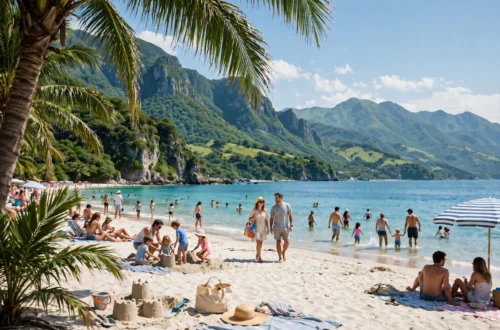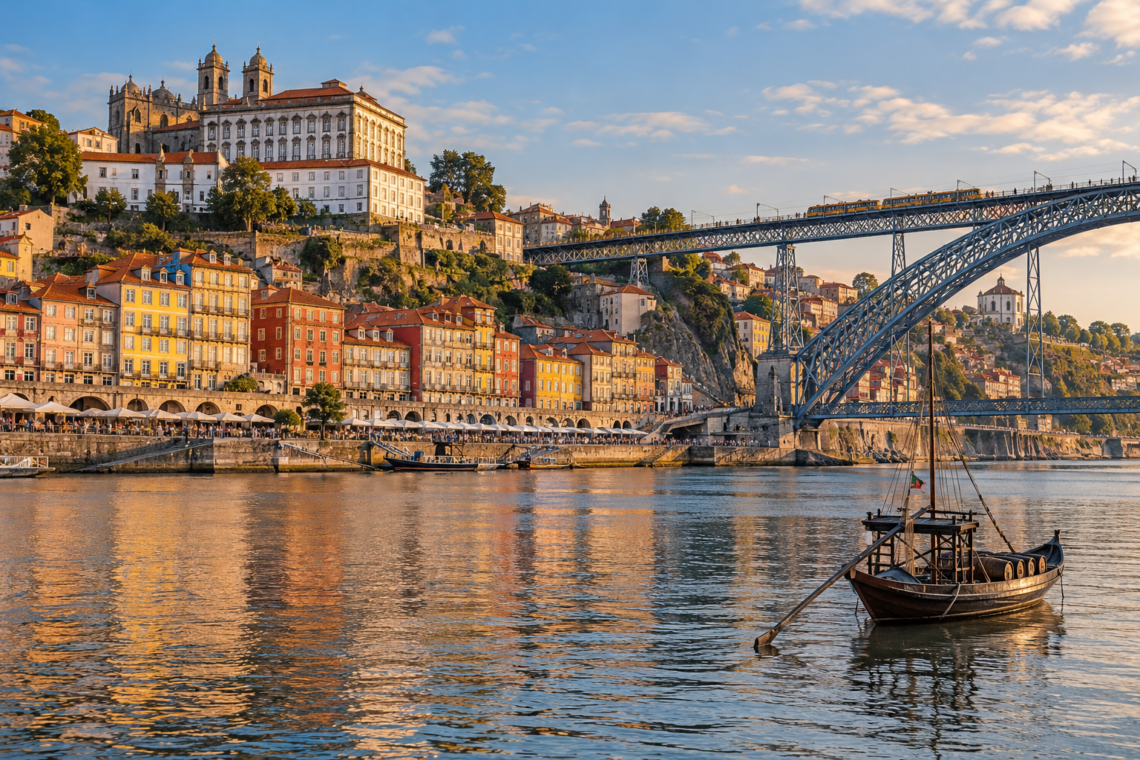
The best places to visit in Portugal depend on what you want from your holiday. Lisbon and Porto offer historic neighbourhoods, riverside walks and plenty of places to eat. The Algarve suits travellers who want beaches and coastal scenery, while Madeira and the Azores offer a different kind of escape, shaped by mountains, volcanic landscapes and walking trails. The best places to watch sunset include Portugal’s Algarve coast.
For a first visit, choosing a few well-connected destinations usually works better than trying to see the entire country. A week can give you a satisfying introduction to Lisbon, Sintra and Porto. With more time, you can add countryside, smaller towns or a coastal stay.
This guide compares 15 destinations and explains their main attractions, useful bases and travel considerations. It also looks at visiting in August, travelling with children and planning around Muslim visitor needs. Suggested stays are planning estimates, rather than fixed rules, so you can adjust them to your pace.
Quick Answer
The best places to visit in Portugal are Lisbon, Porto, and Sintra for a first trip, Lagos and Tavira for Algarve beaches, and Madeira or São Miguel for nature. A week covers Lisbon, Sintra, and Porto comfortably.
Quick-Guide Table
Helpful List: Plan Your Portugal Trip in 5 Steps
- Pick two or three bases — Lisbon, Porto, and Sintra for a first trip — instead of trying to see the whole country at once.
- Book Pena Palace with a date and entry time in advance, and allow about 30 minutes between the park entrance and the palace.
- For Madeira, check the PR trail reservation rules and fee on the official SIMplifica platform before heading to a trailhead.
- For Tavira’s island beaches, check boat departure points and return times before leaving town.
- In summer, check official fire restrictions and local access notices before walking in mainland rural areas.
Portugal At A Glance: A Shortlist For Your Trip
This selection of the top 15 places to visit in Portugal brings together cities, towns, regions and islands. They offer different experiences, so the most useful comparison is what each adds to your trip.
| Destination | Main appeal | Suggested stay | Transport considerations |
| Lisbon | Historic neighbourhoods and riverside sights | 3–4 days | Public transport; expect hills |
| Porto | Riverfront scenery and cultural attractions | 2–3 days | Walk and use public transport |
| Sintra | Palaces, gardens and castle views | 1–2 days | Train from Lisbon, then local transport |
| Cascais | Seaside walks and beaches | 1–2 days | Train from Lisbon |
| Lagos | Cliffs, beaches and an old town | 3–4 days | Walk locally; transport for wider exploring |
| Tavira | Historic streets and island beaches | 2–3 days | Train access; boats for some beaches |
| Douro Valley | Vineyard scenery and river journeys | 1–3 days | Train, organised tour or car |
| Évora | Roman remains and historic architecture | 1–2 days | Walk centrally; car for countryside |
| Coimbra | University heritage and riverside streets | 1–2 days | Rail access; uphill sightseeing |
| Óbidos | A compact medieval walled town | Half a day–1 night | Coach or car |
| Braga | Churches and Bom Jesus do Monte | 1–2 days | Train, then local transport |
| Guimarães | Historic squares and castle heritage | 1–2 days | Train from Porto |
| Peneda-Gerês | Mountains, villages and walking | 2–3 days | Car or organised transport useful |
| Madeira | Mountain scenery and levada walks | 5–7 days | Fly; car, tours or transfers |
| São Miguel | Crater lakes and volcanic landscapes | 5–7 days | Fly; car or tours useful |
For a first introduction, a practical top 3 places to visit in Portugal shortlist is Lisbon, Porto and Sintra. To make a balanced top five, add Lagos and the Douro Valley.
For a broader top 10, add Cascais, Évora, Coimbra, Madeira and São Miguel to those five. These are suggested selections, not an official ranking or a recommendation to fit ten destinations into one holiday.
Lisbon: Historic Neighbourhoods And Riverside Discoveries
Lisbon is a strong starting point for travellers who enjoy exploring on foot, stopping at cafés and mixing major sights with everyday city life. Alfama offers narrow streets and steep lanes, while Belém brings together riverside spaces and important monuments. Viewpoints provide welcome pauses between neighbourhoods. Portugal’s tourism board highlights this mix of historic districts, waterfront attractions and newer areas such as Parque das Nações.
Allow three full days if possible. Spend one around the central neighbourhoods and Alfama, another in Belém, and a third visiting museums or exploring at a slower pace. A warm pastel de nata makes an easy café stop, but leaving time for ordinary meals and neighbourhood walks helps the city feel less like a checklist.
Baixa is convenient for a central base, while Chiado offers access to shops, restaurants and cultural sights. Before booking, check whether your accommodation sits on a steep street or above a late-night venue.
Comfortable shoes matter here. Use public transport to reduce tiring climbs, and treat Tram 28 as an optional experience rather than the centre of your itinerary. Popular attractions can require advance planning; check their official opening arrangements before setting aside a whole morning.
Porto And The Douro Valley: Riverfront Streets And Vineyard Landscapes
Porto suits a two- or three-day city break. Explore the Ribeira riverfront, cross the Dom Luís I Bridge and spend time on the Vila Nova de Gaia side of the river. Beyond its wine connections, the city offers churches, museums and contemporary cultural venues, including Serralves and Casa da Música.
Its central sights reward walking, although the slopes can make distances feel longer. Staying near the centre is useful, but consider access to public transport if you want to avoid repeated climbs.
The Douro Valley adds open landscapes to a Porto-based trip. Portugal’s tourism board identifies road journeys, trains and cruises as ways to explore its river scenery, vineyards and settlements.
A day trip works if you want a first look without changing hotels. An overnight stay gives you more time for village walks, viewpoints and a relaxed meal. You do not need to drink wine to enjoy the landscape; confirm that an organised tour includes activities you actually want.
Train travel offers scenery without driving, while a car provides more freedom between rural stops. Avoid assuming that every estate or viewpoint is easily reached from a station.
Sintra And Cascais: Palaces, Gardens And Coastal Days
Sintra and Cascais make contrasting additions to a Lisbon stay. Sintra is about wooded hills, elaborate palaces and gardens. Cascais offers a seaside town centre, coastal walks and beach time. Both feature in Portugal’s official recommendations for exploring beyond Lisbon.
In Sintra, choose two main attractions rather than rushing through everything. Pena Palace and its park can take a substantial part of the day. Quinta da Regaleira offers a different garden experience, while the Moorish Castle suits visitors interested in walls and wide views.
Pena Palace requires a booked date and entry time. That time applies to the palace interior, not the park gate, and the operator advises allowing around 30 minutes between the park entrance and palace. Build this into your journey.
Cascais works well for a less structured day. Walk through town, have lunch and choose a beach according to the conditions.
Combining both places is possible, but transport and sightseeing can make it rushed. Separate days are the better choice if you want to explore Sintra properly and enjoy Cascais without watching the clock.
The Algarve: Choosing Between Lagos And Tavira
Lagos and Tavira show different sides of the Algarve. Choose Lagos if your priority is cliff scenery, coastal outings and a lively holiday base. Choose Tavira if historic streets, riverside wandering and a slower atmosphere appeal more. The national tourism board highlights Lagos’s maritime history and Tavira’s traditional architecture.
Around Lagos, Ponta da Piedade is a major draw for its coastal rock formations. Balance sightseeing with time on a beach rather than scheduling several boat trips and long walks on the same day.
Tavira’s island beaches require some additional planning. Check boat departure points and return times before leaving town, especially when travelling with children. Being close to the riverfront does not necessarily mean you can walk straight onto an ocean beach.
Benagil is a separate excursion, rather than a Lagos town attraction. Current maritime rules prohibit swimming or using flotation aids to enter the cave, and visitors cannot land on its internal beach. Arrange a compliant excursion and remember that sea conditions can affect access.
For families, compare access, toilets, shade and lifeguard coverage when choosing a beach. Broad sands such as Meia Praia may be more practical than small coves reached by numerous steps.
Évora And The Alentejo: Heritage And A Slower Pace
Évora is a good choice when you want a historic destination that can be explored without constantly moving between distant attractions. Its Roman Temple, cathedral and Chapel of Bones provide different perspectives on the city’s past. Portugal’s tourism board also recommends its craft shops, cultural spaces and university surroundings.
One full day covers the main sights at a moderate pace. Staying overnight creates room for an evening walk and a quieter morning. The Chapel of Bones contains human remains, so consider whether it suits everyone in your group.
Évora also provides a starting point for exploring the Alentejo countryside. Rural accommodation can appeal to travellers who want open space and a slower schedule, but check driving distances before booking.
A car becomes more useful once you leave the city. If travelling without one, choose a central base and arrange a specific countryside excursion.
During hot weather, explore earlier in the day, plan an indoor break and return outside later. Avoid filling the hottest hours with exposed countryside walks.
Coimbra, Óbidos, Braga And Guimarães: Smaller Places With Distinct Stories
Coimbra offers university heritage, historic streets and time beside the Mondego River. It can make a useful stop between Lisbon and Porto, provided you allow time for station transfers and sightseeing rather than treating it as a quick interruption to a train journey. Portugal’s tourism board identifies Coimbra as one of central Portugal’s principal historic cities.
Óbidos is more compact. Its walled centre suits a few hours of wandering, while an overnight stay lets you experience it beyond the busiest daytime period. Uneven surfaces and exposed sections of wall deserve care, particularly with young children.
Braga works well for travellers interested in churches and religious architecture. Combine the centre with Bom Jesus do Monte, allowing for the journey between them.
Guimarães offers historic squares and castle-related sights, making it an appealing choice for a relaxed cultural day. Both Braga and Guimarães are recommended by Portugal’s tourism board as excursions from Porto. Óbidos is highlighted as an option north of Lisbon.
Pick the town that fits your route and interests. Visiting all four is unnecessary unless you have enough time to enjoy their differences.
Madeira, São Miguel And Peneda-gerês: Choosing A Nature Escape
Madeira suits travellers who want mountain scenery, coastal views and walks beside levadas, the island’s irrigation channels. Funchal provides a practical base for visitors using organised excursions, while other locations may better suit those renting a car.
Walking now requires advance attention. In 2026, Madeira’s classified PR trails require a time reservation through the government’s SIMplifica platform. The official tourism website lists a general fee of €4.50 per person, while advising visitors to check each trail’s specific conditions. Confirm both access status and booking requirements before travelling to a trailhead.
São Miguel, in the Azores, offers crater lakes and volcanic scenery. Sete Cidades, Furnas and Lagoa do Fogo are among the island’s main natural attractions. Allow several days so that cloud or rain does not determine your entire experience.
Peneda-Gerês provides a mainland alternative, combining mountains with traditional villages. It is Portugal’s only national park. A car or organised transport makes exploring different areas more practical.
Choose one nature destination for a shorter holiday. Madeira and São Miguel involve flights and airport transfers, while Gerês requires time to reach rural bases. On all three, select walks according to ability and current conditions.
Best Places To Visit In Portugal For First Timers
Lisbon, Porto and Sintra form a practical starting combination for first-time visitors. They provide different experiences without requiring a car throughout the trip. CP operates Alfa Pendular services between Lisbon and Porto; check current schedules and station details when planning the transfer.
With five days, stay in Lisbon and include Sintra. Use the remaining time for Lisbon itself or a coastal day in Cascais. This is more relaxed than changing hotels halfway through a short visit.
With seven days, divide your time between Lisbon and Porto, keeping Sintra as a day trip from Lisbon. Allow part of the transfer day for checking out, reaching the station and settling into your next hotel.
With ten days, add the Douro Valley or a smaller historic destination. Alternatively, choose Lisbon and the Algarve if beach time matters more than northern sightseeing.
If possible, compare arriving in Lisbon and departing from Porto, or the reverse. This can reduce backtracking. An island visit deserves its own block of time; adding Madeira for two rushed nights usually gives too little room for both travel and exploring.
Best Places To Visit In Portugal In August
Choosing the best places to visit in Portugal in August involves balancing summer weather with crowds and accommodation costs. Beach destinations attract strong demand, while hot afternoons can make city and inland sightseeing tiring.
Lagos and Tavira suit a beach-focused holiday, but book accommodation early and check how you will reach the beaches you want. For a different beach region, the best beaches in Texas are worth a look. Cascais can provide a coastal break within a Lisbon itinerary.
For city visits, plan outdoor sightseeing in the morning and later afternoon. Keep the middle of the day flexible for lunch, museums or a rest. Porto can be a useful alternative to an itinerary focused entirely on southern Portugal, although comfortable temperatures are never guaranteed.
Madeira and São Miguel suit travellers interested in landscapes rather than a holiday built around sandy beaches. Mountain cloud, wind and rain can still affect plans, so keep alternative activities available.
In mainland rural areas, check official fire restrictions and local access notices before walking. For Madeira, consult the official trail-status pages as well as your reservation. An available booking should not replace a final check of weather and access conditions.
Best Places To Visit In Portugal With Kids
The best places to visit in Portugal with kids depend on their ages and how much moving around your family enjoys. A beach holiday with one base may work better for younger children than a route involving several cities.
Cascais offers an easy way to combine seaside time with Lisbon. Lagos can suit families looking for beaches and coastal scenery, while Tavira appeals to those who enjoy a quieter town base. Factor boat journeys into Tavira beach days rather than treating them as a minor detail.
Lisbon offers varied activities, but steep streets can complicate stroller use. Staying near public transport and limiting each day to one main outing makes the schedule easier. In Sintra, choose attractions carefully; palace visits, garden walks and transfers can exhaust children when combined.
Madeira and São Miguel can suit older children who enjoy nature, provided walks match their ability. Check path surfaces, exposed drops and the distance back to transport.
Accommodation location often matters more than an extra facility. A convenient apartment near meals and transport can save daily effort. At beaches, follow flags and lifeguard instructions, even when the water looks inviting.
Choosing Destinations As A Muslim Traveller
When considering the best places to visit in Portugal for Muslims, practical facilities are more useful than broad labels. Lisbon provides a sensible starting point because it has an established Islamic community and the Central Mosque. The community’s official website also notes that guided mosque visits are offered.
Porto is another option with established prayer facilities. The Instituto Halal de Portugal lists places of worship in both cities and other areas. Confirm the location and access arrangements directly, particularly before planning Friday prayers around sightseeing.
For meals, verify halal status with the restaurant rather than relying on its cuisine or an old online review. Ask about certification and preparation according to your needs. Seafood and vegetarian dishes may provide alternatives, but ingredients and cooking methods still deserve checking. Self-catering accommodation can make smaller-town stays easier.
Portugal’s Islamic heritage also adds cultural interest. Sintra’s Moorish Castle and the Algarve’s historic sites offer opportunities to explore that past; Silves is highlighted by the national tourism board for its Arab heritage. Historical connections, however, do not establish present-day halal dining or prayer availability.
Conclusion
The best places to visit in Portugal are the ones that fit your interests and the time you have. Lisbon, Porto and Sintra offer a varied first introduction. Lagos and Tavira suit coastal holidays, while Évora and the smaller historic towns add a different pace.
For nature, decide whether Madeira’s mountains, São Miguel’s volcanic scenery or Peneda-Gerês’s mainland landscapes appeal most. Give each enough time rather than adding it simply to lengthen your itinerary.
Choose a few compatible destinations, account for travel days and leave space for unplanned discoveries. A realistic route makes it easier to enjoy Portugal’s variety without spending too much of your holiday moving between places.
FAQ’s:
What Are The Top Three Places To Visit In Portugal?
Lisbon, Porto and Sintra make a balanced first-trip shortlist. Lisbon offers varied neighbourhoods, Porto adds riverfront scenery, and Sintra brings palaces and gardens. This is a practical recommendation rather than an official ranking.
Where Should First-time Visitors Go In Portugal?
For five days, base yourself in Lisbon and visit Sintra. With seven to ten days, add Porto and possibly the Douro Valley. Allow time for transfers instead of trying to cover every region.
What Are The Best Places To Visit In Portugal In August?
Lagos, Tavira and Cascais suit beach-focused August holidays. Madeira and São Miguel offer nature-focused alternatives. Book popular accommodation early, plan around afternoon heat, and check weather and access conditions before outdoor activities.
Which Places In Portugal Are Best For Families With Kids?
Cascais, Lagos and Tavira are useful family options for seaside stays. Lisbon suits families wanting varied activities, although hills require planning. Choose accommodation near transport and meals, and check beach access before booking.
Which Destinations In Portugal Suit Muslim Travellers?
Lisbon and Porto are practical starting points because both have established prayer facilities. Confirm mosque access and halal dining directly before travelling. For smaller destinations, self-catering accommodation can make meals easier to arrange.
Disclaimer
This article provides general travel information. Suggested destinations and stays are editorial recommendations. Prices, schedules, entry rules, trail access and visitor facilities can change; confirm important details with official sources and providers before booking or travelling.