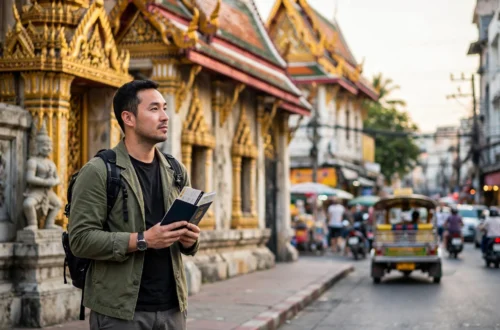
Packing for a long trip can make every item feel necessary. You imagine cold evenings, unexpected rain, nice dinners, and days when nothing feels clean. Before long, your suitcase is full, but you are still wondering what you have forgotten.
Learning how to pack for a long trip starts with a different question: what will you actually use between laundry days? For many travelers, about a week of clothing is a practical starting point, even when the journey lasts much longer.
The aim is to bring enough to stay comfortable without making every transfer difficult. Clothes that work together, a realistic laundry plan, and carefully chosen essentials can keep your luggage manageable. Your destination and personal needs should guide the final choices. These travel planning tips help you fit packing into a wider trip plan.
Quick Answer
To pack for a long trip, bring about a week of clothing that works together, plan regular laundry, choose luggage you can carry comfortably, and keep documents, medication, and valuables within reach.
Quick-Guide Table
Helpful List: Pack for a Long Trip in 5 Steps
- Start with about a week of clothing you can wash and rotate — five to seven tops, two or three bottoms, and a week’s underwear.
- Choose luggage by how you will move: a rolling suitcase for smooth pavements and airports, a backpack for frequent transfers and stairs.
- Build a small wardrobe that works together — a few colours, each top pairing with several bottoms, and layers with clear purposes.
- Make laundry part of the plan before clean clothes run out — check accommodation laundry, laundromats, or hand-washing options.
- Keep your passport, medication, payment methods, and valuables in a small bag that stays with you, and weigh your packed bag before leaving.
Plan Around Your Destination And Travel Style
Start with your route rather than your wardrobe. Check the usual weather for the season in each destination, then review forecasts closer to departure. A warm coastal city and a nearby mountain town may require different layers, even during the same week.
Think about what you will do. Walking around cities, hiking, swimming, attending an event, and working remotely each create different packing needs. Check clothing expectations at religious sites or other places on your itinerary so you can bring suitable coverage.
Your accommodation matters too. Towels, hair dryers, washing machines, and toiletries may already be available, but confirm before leaving them out. Frequent hotel changes favor lighter luggage, while a longer stay in one place can make laundry easier to arrange. These details help you replace vague “just in case” items with things you have a clear reason to carry.
Start With A Week Of Clothes
A week of clothing gives you a useful base for a longer journey. Instead of packing twenty-one separate outfits for three weeks, bring clothes you can wash and rotate. This approach works best when laundry is available at reasonably regular intervals.
For a mild-weather trip, you might start with five to seven tops, two or three bottoms, enough underwear for roughly a week, suitable socks, and sleepwear. Treat those quantities as an example rather than a fixed rule. Daily exercise or hot weather may increase how often you change clothing.
Laundry timing matters more than the calendar. If you can wash only every ten days, adjust your supply accordingly. If clothes dry slowly, keep a clean outfit available while the rest dries. Longer trips usually need a repeatable clothing routine, although remote routes and major climate changes may require additional items.
Choose Luggage You Can Manage Comfortably
The right bag depends on how you will move. A rolling suitcase can be convenient on smooth pavements, through airports, and when traveling mainly by taxi. It becomes less comfortable when you regularly encounter steep stairs, broken surfaces, or crowded transport.
A backpack leaves your hands free and can suit routes with frequent transfers. However, carrying weight on your back may be uncomfortable, especially over longer distances. Try the bag when loaded and consider your own strength, mobility, and comfort. A good backpacking pack fits your torso and carries weight close to your back.
Before deciding on a size, check the baggage allowance for every airline and fare on your route. Cabin dimensions, weight limits, and personal-item rules can differ. Include the bag’s own weight when calculating your total. Traveling with cabin luggage can help you avoid baggage collection, but a permitted bag may still be checked at the gate when cabin space is limited.
Build A Small Wardrobe That Works Together
A compact wardrobe becomes useful when most pieces work with one another. Choose a few colors you enjoy wearing and check that each top pairs with several bottoms. You do not need everything to match perfectly, but avoid garments that require their own separate shoes or accessories.
Lay out possible combinations before packing. A comfortable shirt might work for sightseeing and dinner, while simple trousers could suit travel days and an evening out. Favor clothing you already wear confidently rather than unfamiliar pieces bought only for the trip.
Fabric choice should reflect the conditions. Lightweight synthetics often dry quickly, while merino wool can resist odors and suit repeated wear. Cotton can be comfortable in warm weather but may dry slowly in humid conditions.
Add layers with clear purposes. A light sweater, suitable rain protection, or a warmer jacket may cover changing conditions more effectively than several bulky outfits. Follow garment-care labels when planning how to wash them.
Keep Shoes And Accessories Under Control
Shoes take up considerable space, so start with a comfortable pair you have already tested. A long trip is an inconvenient time to discover that new footwear causes blisters after an hour of walking.
Add another pair only when it serves your itinerary. Sandals may be useful for a beach stay, while hiking footwear may be necessary for certain trails. A dressier pair makes sense if planned events require it. Some travelers need two pairs; others need three. There is no universal number.
Wear your bulkier pair during travel if it remains comfortable and practical. Pack accessories with the same restraint: a useful hat, belt, or scarf can earn its place through regular use. Leave behind pieces that work with only one unlikely outfit.
Adapt The Packing List For Female Travelers
When considering how to pack for a long trip as a female traveler, start with the same practical clothing plan, then adjust it to your preferences. Comfortable bras, underwear, dresses, trousers, and skirts should support your activities and work with the rest of your wardrobe. A womens travel rucksack designed for a female frame can make long days easier.
Pack menstrual products you trust, allowing for your expected needs and how easily you can obtain replacements. Bring the storage or cleaning supplies required by your chosen products. Availability and suitable washing facilities can vary between destinations.
Personal-care choices should remain individual. Some travelers want a small makeup kit or particular hair products; others need very little. Keep products that matter to your comfort and reduce those you rarely use. For destinations or sites with modest clothing expectations, choose useful coverage that also fits your everyday outfits. Avoid adding an entirely separate wardrobe unless your plans genuinely require one.
Make Laundry Part Of The Plan
Check laundry options before your clean clothing runs out. Accommodation laundry can be convenient, but prices, turnaround times, and charging methods vary. A laundromat may offer better value for a full load, while hand-washing can help with small items between larger washes.
Carry a little detergent if you expect to wash clothing yourself. A small bottle, powder, or detergent sheets may be suitable, depending on the product instructions. Laundry soap works better than assuming every available hand soap will suit your garments.
Follow care labels, rinse thoroughly, and press excess water out gently. Rolling a wet garment in a clean towel can help remove moisture before hanging it.
Allow enough drying time before moving on. Thick fabrics and humid rooms can make overnight drying unreliable. Keep dirty clothes separate, and avoid leaving damp items sealed in your luggage for extended periods.
Pack Clothes So Everything Is Easy To Find
Rolling and folding both have their place. Rolling can make casual clothing easy to arrange, while folding may suit structured shirts or garments that crease easily. The best method depends on your clothes and bag; neither guarantees a particular amount of space saved.
Packing cubes help group items and reduce rummaging. You might separate tops, underwear, and sleepwear so you can find what you need without unpacking everything. Compression cubes can reduce the bulk of some clothing, but they do not reduce weight.
Use small gaps sensibly. Clean socks can fit inside shoes, preferably protected by a pouch, while cables belong somewhere dry and accessible.
Place heavier items near the wheels of a rolling suitcase. In a backpack, keep weight balanced and heavier items close to your back. Leave rainwear, travel documents, and anything needed during the journey within easy reach.
Keep Toiletries And Health Supplies Practical
Pack toiletries around your actual routine. Bring enough of difficult-to-replace products, but consider smaller quantities of basics you can obtain at your destination. Solid shampoo or soap may be convenient if you already know the product works for you. Let bars dry and use suitable storage.
Use well-sealed containers for liquids and protect nearby belongings against leaks. Check security rules at your departure and connecting airports. Liquid limits and medical exemptions differ, so avoid assuming that one airport’s arrangements apply throughout the journey.
Medication needs deserve separate planning. Arrange enough for the trip and an appropriate allowance for delays, discussing this with your pharmacist or healthcare professional where necessary. Keep medicines clearly labeled, preferably in their original packaging.
Check destination rules for prescription and controlled medicines, including any required documents or permission. Choose basic health supplies according to your needs and route rather than packing a large kit full of unfamiliar products.
Bring Only The Electronics You Need
Start by deciding what your devices must do. A phone may cover photographs, maps, communication, and bookings. A laptop makes sense if you need to work, but a tablet, camera, and several extra devices may duplicate functions without adding enough value.
A multi-port charger can reduce the number of wall adapters you carry. Check that its total output, individual ports, and cables support your devices, especially when charging them together.
Look up destination plug types and inspect your device’s voltage rating. A plug adapter changes the connection; it does not automatically convert voltage. Devices with a suitable wide voltage range may need only the correct plug adapter.
Check your airline’s latest rules for power banks and spare lithium batteries. These belong in cabin baggage, with protection against short circuits. Remove them if your cabin bag is gate-checked, and review any airline limits on capacity, quantity, storage, or onboard use.
Keep Travel Essentials Within Reach
Keep your passport or other required identification, medication, payment methods, and valuable electronics in a small bag that remains with you. This is especially useful when your main luggage goes into an aircraft hold, coach storage compartment, or another area you cannot access.
Prepare for the possibility of separation from your main bag. A clean change of clothes, essential toiletries, and necessary charging equipment can make a delay easier to manage. Choose a compact outfit suited to your arrival conditions.
Keep important booking details and emergency contact information available offline. Store document copies securely, remembering that copies do not replace original documents when originals are required.
Before handing over luggage, check where your essentials are. Separating a backup payment method from your main wallet can also help if one item is misplaced.
Create A Checklist And Do A Final Bag Check
A checklist turns your packing plan into something you can review calmly. The following week-long trip checklist is a flexible starting point for mild weather with laundry access. Adjust it for your activities, health needs, and baggage allowance.
- Clothing: Five to seven tops, two or three bottoms, roughly a week of underwear, suitable socks, sleepwear, and necessary layers.
- Footwear: Tested walking shoes and another pair if planned activities require one.
- Toiletries: Essential personal-care products, toothbrush, toothpaste, and suitable sun protection.
- Health supplies: Necessary medicines, required documentation, and a small selection of useful first-aid items.
- Documents and money: Required identification, visas where applicable, travel details, payment cards, and appropriate cash.
- Electronics: Necessary devices, compatible cables, a suitable charger, and any required plug adapter.
- Optional personal items: Bras, menstrual supplies, swimwear, modest clothing, or other items suited to your needs.
For a three-day trip, reduce clothing to cover the planned days and a sensible backup rather than carrying the full weekly supply. Keep essential documents, medicines, and destination-specific protection. Trip length does not make those items less necessary.
For a longer journey, repeat the laundry cycle instead of automatically adding another week of clothes. Add items only when your route introduces a real need, such as colder weather, specialist activities, or a longer period without washing facilities.
If you want a week-long trip checklist PDF, keep the printable version simple. Group items by category, include checkboxes, and leave space for personal additions. Mark items already supplied by your accommodation so you do not pack unnecessary duplicates.
Finish by weighing your fully packed bag and checking its dimensions. Remember that expanded pockets can affect size. Walk with it, lift it as you would during travel, and check whether you can manage stairs or transfers comfortably.
Review anything you have packed without a clear purpose. Removing duplicate products, unused accessories, or an extra pair of shoes may make a noticeable difference. Leave some room for purchases and for repacking when you have less time or space.
Conclusion
Knowing how to pack for a long trip is less about fitting everything into a bag and more about choosing what supports your journey. A coordinated wardrobe, suitable luggage, and dependable laundry options can make a small supply of clothing work for weeks.
Use a week of clothes as a starting point, then adjust for weather, activities, personal care, and access to washing facilities. Keep important belongings accessible and confirm baggage and destination requirements before leaving.
Your final bag should feel manageable for the trip you are taking. If you can find what you need, carry it comfortably, and keep your clothing clean, you have a practical packing plan.
FAQ’s:
How Many Clothes Should I Pack For A Long Trip?
Start with roughly a week of clothing and plan to wash it regularly. Adjust quantities for weather, daily activities, drying time, and laundry access rather than packing a separate outfit for every travel day.
Can I Pack For A Long Trip Using Only A Carry-on?
Yes, many travelers can manage with a carry-on by choosing versatile clothing and doing laundry. Suitability depends on baggage limits, climate, required equipment, and personal needs. Keep essential items accessible if the bag is gate-checked.
Is Rolling Clothes Better Than Folding Them?
Rolling works well for many casual garments, while folding may suit structured clothing. Use whichever method fits your items and luggage. Neither method guarantees wrinkle-free clothes or a fixed amount of extra packing space.
What Should Female Travelers Pack For A Week-long Trip?
Pack coordinated outfits, comfortable underwear and bras, suitable shoes, and essential personal-care products. Add menstrual supplies, swimwear, or clothing for local customs as needed. Choose quantities around your activities, preferences, and laundry options.
What Should I Keep In My Personal Bag?
Keep required identification, medicines, payment methods, valuables, and important travel details with you. Add a compact change of clothes and essential toiletries so you have useful supplies if your main luggage is delayed.
Disclaimer
This article provides general packing guidance. Your needs will vary by destination, weather, activities, health requirements, and travel arrangements. Baggage allowances, airport security rules, battery restrictions, and medication entry requirements can change. Confirm applicable rules with your airline, relevant authorities, and accommodation before departure. Ask a qualified healthcare professional about medication supplies, storage, or other personal health needs.