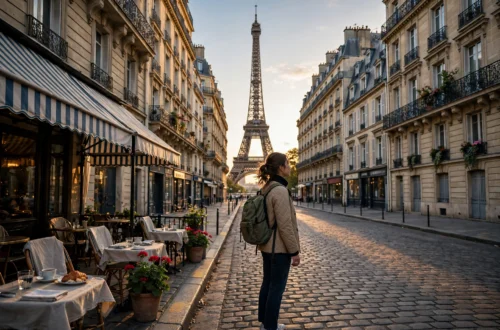
Travelling alone offers something no group trip can: complete control over your time, your pace, and your peace of mind. You choose when to wake up, where to eat, how long to stay at a museum, and when to call it a day. More people are trying it for the first time, and most of them say the same thing afterwards — they wish they had done it sooner.
This guide gives you solo travel ideas for first-timers, women, and men, plus the best solo vacations in the US, the best countries for travelling alone, and practical advice on budgets, safety, and meeting people. It also covers solo travel packages for those who want a little structure, for different budgets. Prices are given only as rough guides, because costs change often.
Quick Answer
The best solo travel ideas for first-timers are Lisbon, Japan, and Iceland — safe, walkable, and easy to navigate alone. Start with a short city break, book your first nights in advance, and check official travel advice.
Quick-Guide Table
| Possible problem | What to check | Recommended action |
| Nervous about your first solo trip | How easy the destination is, and how long the trip is | Start with a 2–3 night city break in Lisbon, Copenhagen, or Kyoto, and book the first nights before you fly |
| Solo travel feels expensive | What costs more alone, and where you can save | Use hostels with private rooms, street food and markets, and multi-day transit passes; add a 10–15% daily buffer |
| Worried about safety | Official travel advice, the area, and the time of day | Check State Department or FCDO advice before booking; share your itinerary, use licensed taxis, and avoid poorly lit areas at night |
| Feeling lonely on the road | What social options your destination offers | Join walking tours, hostel events, and small-group day tours or cooking classes — then go back to your own plans |
| Don’t know where to go | What kind of trip you want, and your budget | Match the destination to the trip type: city breaks (Lisbon, Berlin), beaches (Thailand, Bali), adventure (New Zealand, Iceland) |
Helpful List — Plan Your First Solo Trip In 7 Steps
- Pick an easy first destination — Lisbon, Kyoto, or Copenhagen for a short city break.
- Check official travel advice and entry requirements for your destination.
- Book the first 2–3 nights before you fly, plus your airport transfer.
- Take out travel insurance that covers medical expenses and evacuation.
- Carry two cards from two accounts, one for daily spending and one for emergencies.
- Pack light — one bag you can carry yourself, with copies of your documents kept separately.
- Share your itinerary with someone at home and check in daily.
What Makes A Place Good For Solo Travel
Not every great destination is a great solo destination. The places that work best for travelling alone share five traits: they are safe, they have easy public transport, their streets are walkable, their cafe and bar culture makes eating alone feel normal, and they have a hostel or social-stay scene where meeting people happens naturally.
Language comfort matters too. For a first solo trip, an English-friendly place — or one where you can manage the basics — removes a layer of stress. You will be navigating, ordering food, and asking for directions on your own, and every small interaction is easier when the language is not a barrier.
Start short. A two- or three-night city break teaches you most of what you need to know about travelling alone: how to plan a day, how to eat by yourself, how to enjoy your own company. You can come home easily if it is not for you — and most people find it is.
One more thing to remember: the best solo destination is not the same for everyone. It depends on your budget, your interests, and your confidence. This guide gives you options for all three.
Best Solo Travel Ideas For First-timers
Start small, with a short, easy city break. Lisbon, Ljubljana, Copenhagen, and Kyoto are all good first choices — safe, walkable, and full of other solo travelers.
Lisbon works because it is compact, friendly, and affordable by Western European standards. The city is built for walking, free walking tours leave from the center daily, and many hostels have excellent private rooms — so you get the social side of a hostel without sharing a dorm. The food is good, the trams are charming, and the light over the Tagus River is worth the flight on its own.
Japan works because it is very safe, the public transport is superb, and solo dining is built into the culture. Ramen counters with individual booths, conveyor-belt sushi, and standing bars all mean you never feel out of place eating alone. Kyoto and Tokyo are the obvious starting points, and both are easy to navigate with a transit card and a translation app.
Iceland works because it is consistently ranked one of the safest countries in the world, and it is small enough to explore in a week. Group day tours from Reykjavik make it easy to see the Golden Circle, the waterfalls, and the black-sand beaches without renting a car or planning every detail yourself.
One practical rule for your first trip: book the first two or three nights before you fly, and keep the whole trip to about a week. Long enough to settle in and get past the initial awkwardness, short enough that a bad day doesn’t wreck the experience.
Solo Travel Ideas For Women
Women travelling alone most often look for three things: low street crime, reliable transport, and places where dining and exploring alone feel unremarkable rather than something to navigate carefully.
Japan comes up most often in conversations with solo female travelers — a low crime rate, reliable public transport, and a culture that generally makes solo dining and exploring feel normal. Iceland is the other name that always appears, for the same reasons: it holds the top ranking on the Global Peace Index, and the locals are famously helpful. Portugal, New Zealand, and Canada round out the list, each with safe cities, good infrastructure, and welcoming locals.
In the US, the best places to travel solo as a woman are the walkable, social cities: New York City, where eating alone is completely normal; San Francisco, with its distinct neighborhoods and day trips; Portland, with its cafes and food carts; Austin, with its live music and food scene; and Savannah, slow, walkable, and historic.
A few practical tips apply everywhere: share your live itinerary with someone at home and check in daily, use licensed taxis and rideshares at night, avoid poorly lit areas, and trust your gut. If a street, a taxi, or a person feels wrong, leave — no politeness required. And safety advice changes, so always check official government travel advice for your destination before booking.
Solo Travel Ideas For Men
Men travelling alone most often look for adventure, food, nightlife, and outdoor activities — things that are easier to enjoy when you don’t need a travel partner to make them happen.
New Zealand is the classic pick: adventure activities set up for solo bookings, from bungee jumping to multi-day hikes, and road trips that work perfectly with one driver and a playlist. Thailand is the other classic: backpacking, street food, and a well-worn trail full of other travelers. Berlin suits men who want history, hostels, and nightlife in one walkable city. Costa Rica rewards people who want adventure — surfing, rafting, hiking — without needing a group to arrange it.
The practical tips are the same as for everyone: share your itinerary, carry two cards from two accounts, and don’t let a night out leave you without a way home. Book your first night before you fly, and keep a small emergency cash stash separate from your wallet.
One honest note: solo travel ideas for men and women overlap heavily. The destination matters far more than the gender — pick the place that fits the trip you want, not the one a list says is “for” you.
Best Solo Vacations In The Us
The US works well for a first solo trip because there is no passport, no language barrier, and easy domestic flights. It is also a good place to practice travelling alone before going abroad.
New York City is the obvious first choice: the energy, the culture, the museums, and the fact that doing things alone isn’t just normal here — it’s cool. Dinner for one is chic, a Broadway show solo is a power move, and museum-hopping at your own pace is the best way to see the city.
Austin suits solo travelers who like food, live music, and walkable neighborhoods. San Francisco offers distinct neighborhoods and easy day trips to the coast and the wine country. Portland is a cafe-and-food-cart city with hiking nearby. Savannah is slow, walkable, and historic — a good choice if you want a quieter first trip.
For affordable solo trips in the US, look for hostels with private rooms, apartments, and midweek travel, when hotels are cheaper. Use public transport and free walking tours to keep daily costs down. One practical note: US cities vary a lot in safety by neighborhood, so check local advice and stay in well-lit, busy areas at night.
Best Countries For Solo Travel
If you are ready to go further, these are the countries that come up again and again for solo travelers.
Japan is the safest-feeling long-haul choice: flawless transit, a solo dining culture, and virtually no street crime. Portugal is affordable, with world-class social hostels, a vibrant cafe scene, and easy public transport. Iceland is the safest country on the Global Peace Index, with easy group day tours and dramatic nature — volcanic landscapes, waterfalls, and geothermal pools.
Thailand is the classic backpacker entry point to Asia: cheap transport, plenty of company, and a well-worn trail from Bangkok to the islands. New Zealand suits adventure travelers, with activities set up for solo bookings and working holiday options for under-30s. Vietnam and South Korea are budget-friendly, with modern transport and strong solo-traveler communities.
One practical note: visa rules change. Thailand’s visa-free stay for some nationalities changed in 2026, so check official entry requirements for your nationality before booking — and check them again before you travel.
Solo Travel Ideas By Trip Type
The best solo trip is the one that matches what you actually want to do.
City breaks: Lisbon, Berlin, Vancouver, and Tokyo — walkable, full of things to do alone, and easy to navigate. A city break is the best first solo trip.
Beach trips: Thailand, Bali, and Puerto Vallarta — relax, swim, and meet other travelers without trying. Hostels and beach towns make company easy to find.
Adventure: New Zealand, Costa Rica, and Iceland — hiking, road trips, and activities booked for one person. You don’t need a partner to go rafting or climb a volcano.
Wellness and slow travel: Koh Samui, Bhutan, and the Icelandic Highlands — a mental reset, with retreats, thermal springs, and quiet landscapes. These trips are about rest, not sightseeing.
Food trips: Japan, Mexico City, and Oaxaca — eating your way through a city, one counter at a time. Solo dining is the best way to eat well: you order what you want, sit at the counter, and watch the kitchen work.
Solo Travel Packages And Companies: When They Help
A package helps when it is your first solo trip, when the itinerary is complex, or when the logistics are hard to do alone — a multi-country route, a remote region, or a place where transport is unreliable.
What to look for: no-single-supplement departures (so you don’t pay extra for travelling alone), small groups, and clear inclusions. Solo travel companies are small-group tour operators that run departures designed for solo travellers — compare group size, the single supplement, and what is included before you book, because the details vary a lot.
When to go independent: city breaks and easy destinations are usually cheaper and freer on your own. Lisbon, Tokyo, and New York don’t need a tour operator — they need a transit card and a good pair of shoes.
One practical note: never book a package without checking recent reviews and the cancellation policy. A good company will be transparent about both.
How To Plan A Solo Trip On A Budget
Solo travel usually costs more per person, because nobody splits the room, the taxi, or the tour. That is the single biggest difference from travelling with a partner — and it is manageable.
Keep costs down with hostels that have private rooms, apartments with kitchens, street food and markets, multi-day transit passes, and free walking tours. Eat one market or street-food meal a day, and save the restaurant budget for one good dinner.
Money safety matters more when you are alone. Carry two cards from two accounts — one for daily spending, one for emergencies — and keep them in different places. Withdraw cash from bank ATMs after you land, not from airport exchanges, where the rates are poor. Set a daily spending cap and add a 10–15% buffer for surprises: a missed train, a sudden room change, a meal that costs more than you expected.
Travel insurance is non-negotiable when you are alone. Make sure the policy covers medical expenses and evacuation, and read it before you buy — a cheap policy that doesn’t cover what you need is worse than no policy at all.
Staying Safe When You Travel Alone
Safety is the number one concern for first-time solo travelers, and the rules are simple. Share your itinerary and location with a trusted person, and check in daily — a quick “all good” message takes five seconds. Book your first night before you fly: you are at your most vulnerable when you first arrive, tired and unsure of your surroundings, so arrange the room and ideally the airport transfer in advance.
Use licensed taxis, busy train carriages, and rideshares. Avoid hitchhiking and poorly lit areas at night. Keep backups separate: a copy of your passport, your cards, and emergency cash in different places, so losing one bag doesn’t leave you with nothing.
Learn the common scams for your destination before you go — taxi overcharges, fake officials, friendship bracelets, fake petitions. A short search before you travel is worth more than any gadget. And trust your gut: if a street, a taxi, or a person feels wrong, leave. No exceptions, no politeness required.
Finally, check official travel advice before you book. US readers should use the State Department’s travel advisories, which rate each country from Level 1 (exercise normal precautions) to Level 4 (do not travel). UK readers should use the FCDO’s foreign travel advice. Safety advice changes, so check it again before you travel.
Meeting People Without Losing Your Independence
The best thing about solo travel is that you choose when to be social and when to be alone. Walking tours and hostel events are the easiest way to meet people without losing your freedom — you join for a morning, then go back to your own plans.
Small-group day tours and cooking classes work the same way: good for one day, then back to your own schedule. Cafes and counter seating are the best places to eat alone and start a conversation — a bar seat or a communal table invites talking in a way a table for one doesn’t.
And when you want to be alone, be alone. Headphones in, a book out, a table for one. Solo travel means you choose — nobody is waiting for you, and nobody is disappointed.
One practical note: don’t share your real-time location or hotel publicly on social media. Post after you leave. It is a small habit that protects you more than most people realize.
Common Mistakes First-time Solo Travelers Make
Most solo travel mistakes are easy to avoid once you know them. Trying to see too much in too little time is the first one — pick one place and do it well, instead of rushing through three. Skipping travel insurance, or buying a policy that doesn’t cover medical evacuation, is the second. Relying on one card, or exchanging money at the airport, is the third.
Arriving late at night in an unfamiliar city without a booked room or transfer is a mistake that feels small until it happens to you. So is oversharing plans with strangers, or posting your location in real time. And the last mistake is forgetting that solo travel is a skill: the first trip feels awkward, the second one feels natural, and by the third you will wonder why you ever waited.
Conclusion
Solo travel works when you pick an easy first destination, plan the practical details, and leave room for spontaneity — the freedom is the point. You don’t need to be brave or experienced to travel alone; a short, well-planned first trip is enough to start.
Pick a place that fits the trip you want, book the first few nights, and go. And before you book, check the official travel advice, the entry requirements, and your insurance, because conditions change — and a well-prepared first solo trip is the one you will remember best.
FAQ’s:
Where Is The Best Place To Travel Solo For The First Time?
Lisbon, Japan, and Iceland are the best first solo trips. Lisbon is walkable and affordable, Japan is very safe with solo dining culture, and Iceland is the safest country on the Global Peace Index.
Is Solo Travel Safe For Women?
Yes, in the right places. Japan, Iceland, Portugal, New Zealand, and Canada are widely recommended for solo women. Share your itinerary, use licensed transport at night, and check official travel advice.
How Much Does Solo Travel Cost?
Solo travel costs more per person because you don’t split rooms or taxis. Hostels with private rooms, street food, and transit passes keep costs down; add a 10–15% daily buffer for surprises.
Do I Need A Travel Package To Travel Solo?
No. City breaks and easy destinations are usually cheaper and freer on your own. A package helps for a first trip, a complex itinerary, or places where logistics are hard alone.
How Do I Meet People While Travelling Solo?
Join walking tours, hostel events, and small-group day tours or cooking classes. Cafes and counter seating are the best places to start a conversation without losing your independence.
Disclaimer
This article is for general information only. Travel conditions, entry requirements, prices, and safety advice can change — always check official government travel advice and the relevant local sources before you book or travel. Travel3Ways is not affiliated with any hotel, tour operator, or travel company mentioned here, and this article contains no paid promotion.